Production notes
A pharma company has to explain before it can convince.3D makes the explanation visible.
Pharmaceutical companies, biotechs, medical device makers, healthcare communication agencies: your subjects play out at the scale of a cell or inside a device. Here is what I create in 3D for these teams, and how the project is organized around your reviews.
In short: I create 3D mechanism of action animations, awareness films, loops for congress booths, device instructions and packshots of healthcare products, in an educational or semi-realistic style. Your medical team supplies and approves the content; I handle the art direction and all the 3D. Animation up to 15 s: €900 to €1,800 excl. VAT; one image from one angle: €450 to €600 excl. VAT; longer films are quoted.
What I offer: 3D animations and images for your launches, awareness campaigns, congresses and devices, directly or with your healthcare agency.
Who it is for
Marketing, medical and training teams at pharmaceutical companies and biotechs; medical device makers; healthcare communication agencies that need a 3D artist for a project.
I work directly or as a subcontractor to your agency, white label and under NDA depending on the contract. I work remotely, in French and English, including with US teams.
The style: educational or semi-realistic
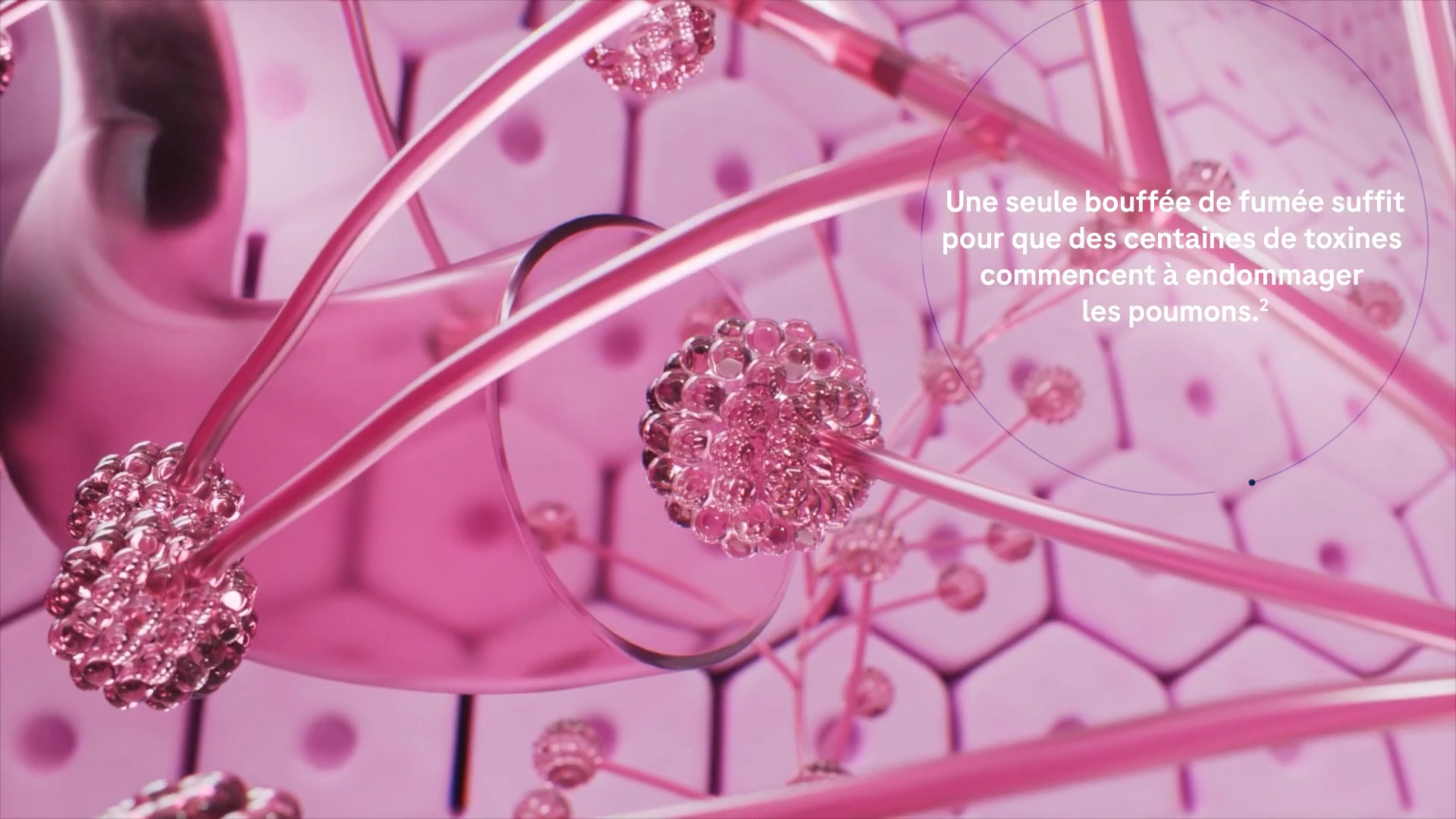
For healthcare, I recommend an educational or semi-realistic style: accurate shapes, so the organ or device is recognizable, and simplified materials, so the message gets across quickly. It can be understood without medical knowledge and does not shock the general public.
Research on learning from images points the same way: several studies find better results with simpler illustrations than with highly realistic versions. The guide on medical 3D animation covers this work in more detail.
How a project runs
You send the brief, the target audience and the approved scientific content. I propose an art direction, references and a moodboard, then a storyboard.
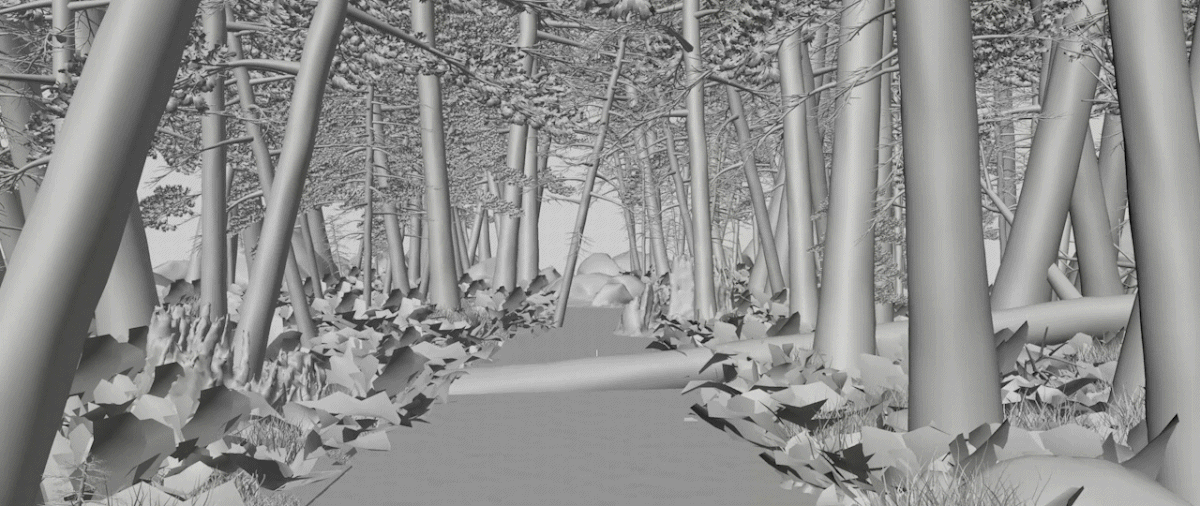
You approve clay previews, without materials, then still images. I then animate, and the final renders go out after your last review. Each step gives your medical and regulatory teams time to review.
Medical and regulatory review
The scientific content, the text and the mandatory statements come from you. I keep on-screen text on separate layers: a correction after review does not require re-rendering, and a version per language or country is quick to prepare.
The schedule takes your constraints into account: in France, the ANSM filing periods for advertising visas; in the United States, submitting materials to the FDA with Form 2253 when first used. Compliance remains with your regulatory team.
Devices and packaging
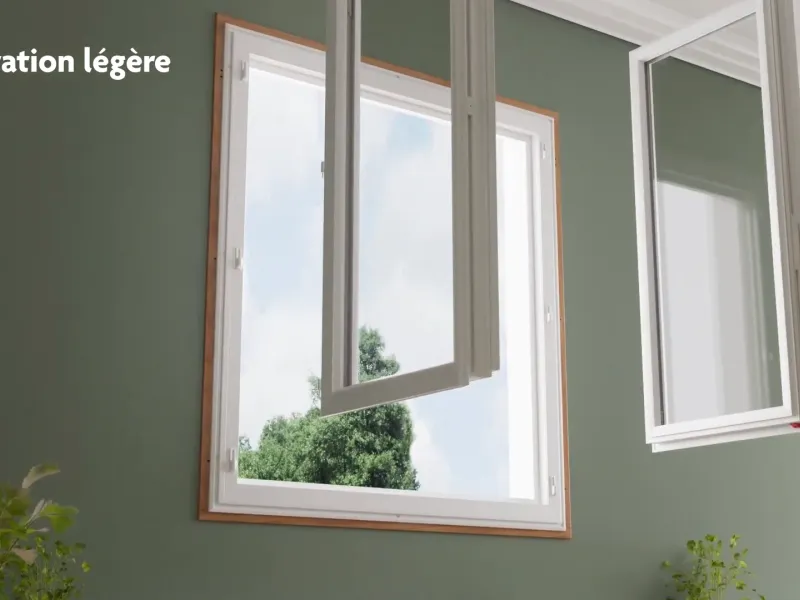
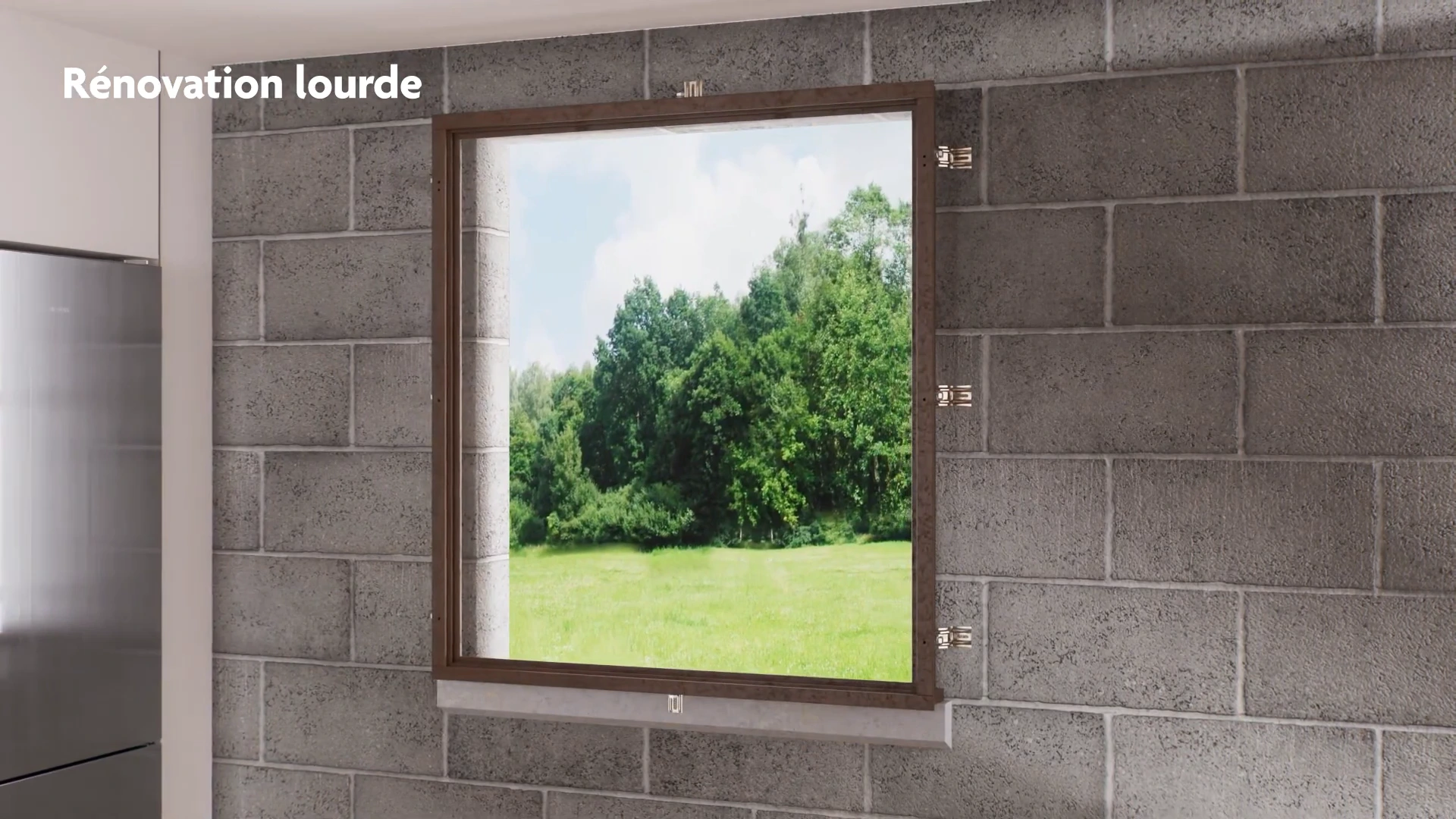
For a medical device, I start from the CAD file, preferably STEP: see-through view, exploded view, the handling step by step. It is the logic of my product demonstration films, such as the one for Pasquet Menuiseries, which shows a window being installed step by step.
For packs, vials and pens, one scene is adapted by dosage, language or country, with the packaging text you supply.
What to supply
The brief and target audience, the key message, the approved scientific content, your visual references and brand guidelines. For a product: the CAD file, the packaging text and statements.
Then the formats needed (16:9, 9:16, square, posters, VR version), the languages and the schedule, including your regulatory filing dates.
What I offer
I handle the art direction and all the 3D in Cinema 4D and Octane: modeling, simulation, animation, shaders and renders, with one point of contact from brief to delivery.
An animation up to 15 s costs €900 to €1,800 excl. VAT, one image from one angle €450 to €600 excl. VAT. A film with several scenes is quoted. For a first price, try the online estimate.
Where this information comes from
Regulation: ANSM pages on advertising visas for medicines and the FDA page on submitting Form 2253 to OPDP, read on October 27, 2026. This is not regulatory advice.